From Nobility to Adventurers – The Fascinating History of the Casino as a Gathering Place

From Nobility to Adventurers – The Fascinating History of the Casino as a Gathering Place
When Americans think of a casino today, images of Las Vegas neon, slot machines, and high-stakes poker tables immediately come to mind. Yet the story of the casino begins centuries before the Strip ever lit up the desert sky. From the refined salons of European aristocracy to the bustling gaming floors of modern America, the casino has always been more than a place to gamble. It has been a social hub—a stage for ambition, elegance, and adventure.
Aristocratic Origins – The Birth of the Casino
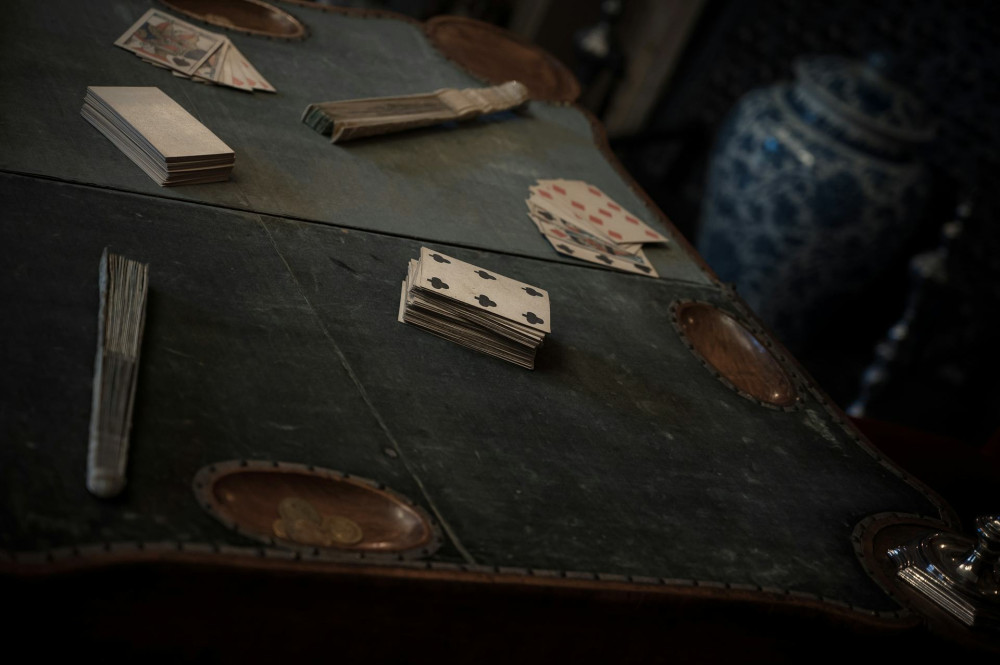
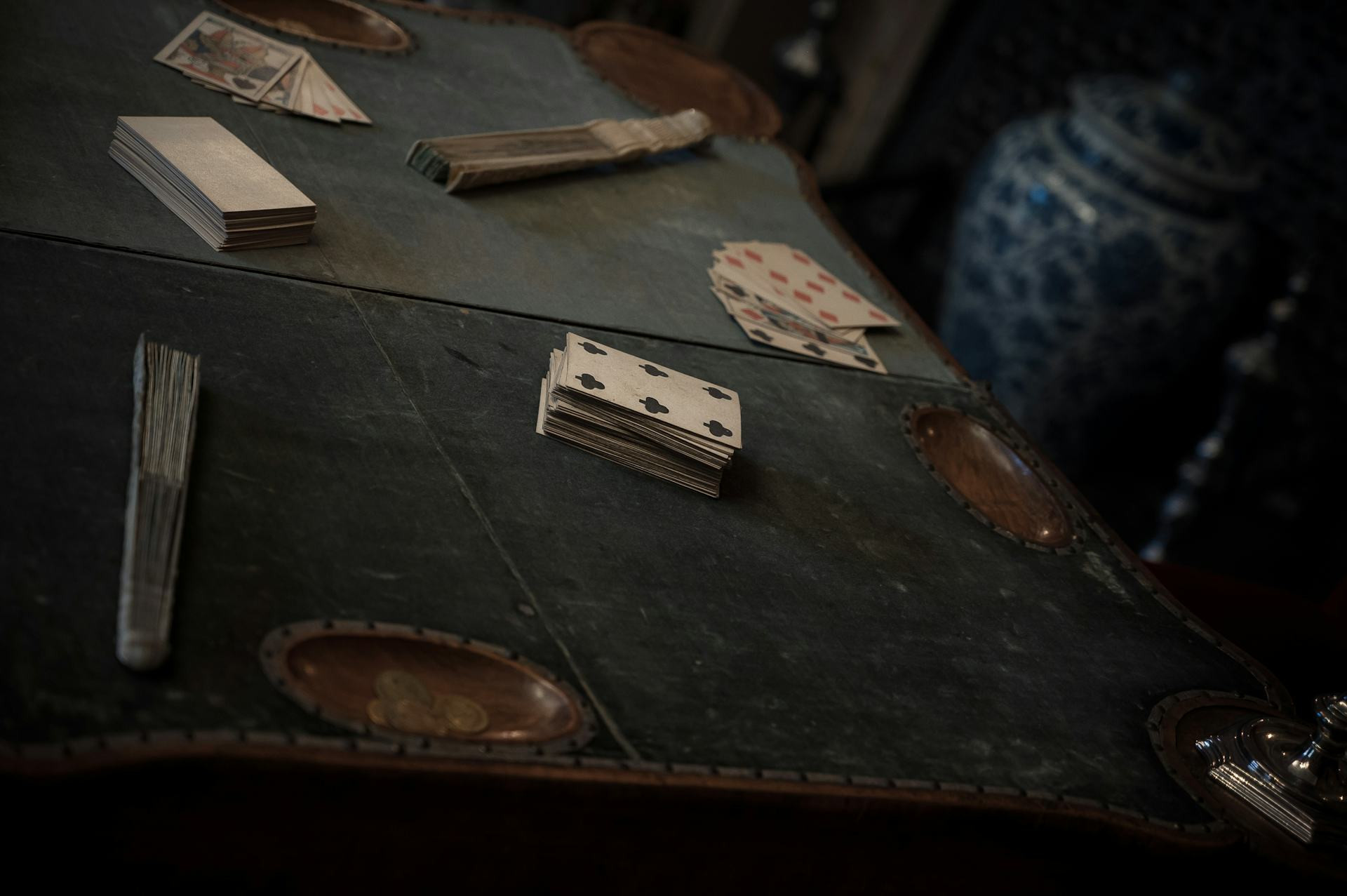
The word casino comes from the Italian casa, meaning “house,” and originally referred to small villas or pavilions where the upper classes gathered for music, conversation, and games. In 1638, Venice opened Il Ridotto, often considered the first public casino. It was a government-regulated space where nobles could play cards and dice under strict rules of decorum. These early establishments were as much about social display as they were about chance. To play was to participate in a ritual of refinement and reputation.
From Royal Salons to Public Entertainment
By the 18th and 19th centuries, casinos had spread across Europe, evolving into grand cultural centers. In places like Monte Carlo, Baden-Baden, and Wiesbaden, gaming was paired with concerts, theater, and fine dining. The Monte Carlo Casino, opened in 1863, became a symbol of luxury and daring—a playground for Europe’s elite and a magnet for travelers seeking glamour and fortune.
At the same time, industrialization and the rise of a new middle class transformed the casino into a more democratic space. The clientele expanded from nobles to adventurers, entrepreneurs, and dreamers. The casino became a place where social boundaries blurred, and anyone—at least for one night—could feel the thrill of possibility.
Læs også:



Crossing the Atlantic – The American Frontier Spirit
When gambling crossed the Atlantic, it took on a distinctly American character. In the 19th century, riverboat casinos floated down the Mississippi, offering entertainment to traders, soldiers, and settlers. In the rough-and-tumble towns of the Wild West, saloons and gaming halls became gathering places for miners and cowboys chasing fortune. Here, the casino was less about etiquette and more about risk, grit, and the promise of the frontier.
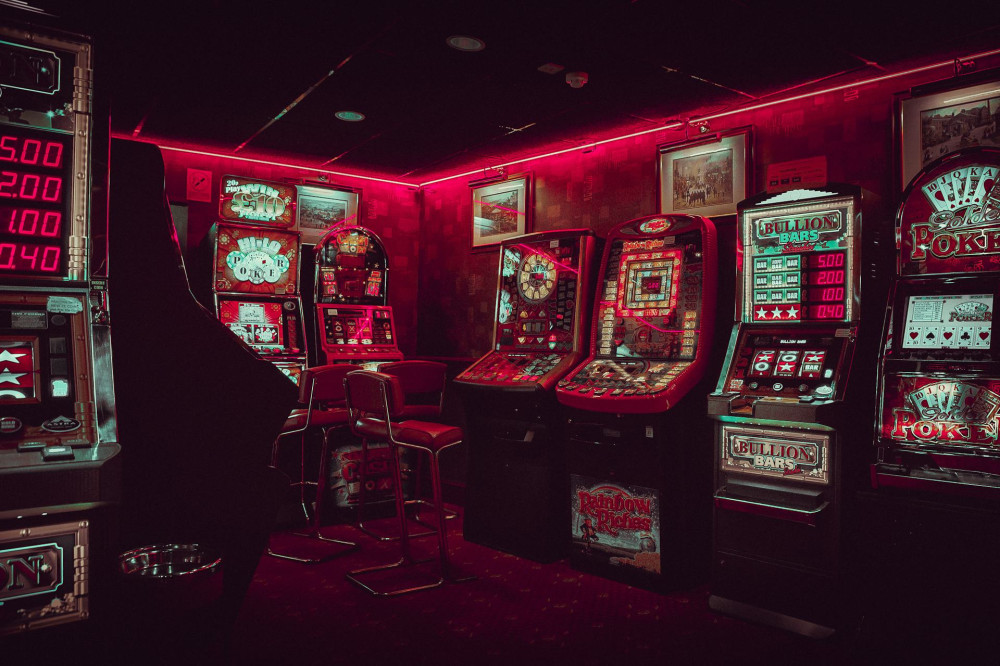
In 1931, Nevada became the first U.S. state to legalize gambling, setting the stage for Las Vegas to rise from the desert. What began as a dusty railroad stop transformed into the world’s entertainment capital. The casino evolved again—this time into a dazzling spectacle of lights, music, and excess. The elegance of Europe’s salons gave way to the exuberance of American showmanship, but the essence remained: a place where people came to test their luck and live out their dreams.
The Casino as a Cultural Icon
Throughout the 20th century, the casino became embedded in American culture. Hollywood films, novels, and music turned it into a symbol of both glamour and danger. From tuxedoed secret agents at the baccarat table to the flashing lights of the Vegas Strip, the casino represented the tension between control and chance, sophistication and risk.
It also became a social microcosm—a place where strangers mingled, fortunes changed hands, and stories unfolded. For some, it was an escape from the ordinary; for others, a stage for ambition and reinvention. The casino mirrored the American spirit itself: bold, restless, and endlessly fascinated by the possibility of winning big.
From Marble Halls to Digital Worlds
Today, the casino has expanded far beyond physical walls. Online platforms and mobile apps allow players to experience the thrill of gaming from their living rooms. Yet even in the digital age, the social element endures. Live-dealer games, chat rooms, and virtual tournaments recreate the sense of community that has always defined the casino experience.
Meanwhile, physical casinos continue to thrive as entertainment destinations, offering concerts, fine dining, and immersive experiences that go far beyond gambling. Whether in Las Vegas, Atlantic City, or on a smartphone screen, the casino remains a place where excitement, connection, and chance intertwine.
A Mirror of Human Nature
The history of the casino is, in many ways, the history of human desire—for risk, reward, and recognition. From noble salons to neon-lit resorts, it has always been a space where people gather to test fate and share in the thrill of uncertainty. The casino endures not just as a venue for games, but as a reflection of who we are: social beings drawn to adventure, spectacle, and the eternal hope that luck might, just once, be on our side.
Læs også: