Materials That Feel Right: Choose Textures That Make Everyday Life Better

Materials That Feel Right: Choose Textures That Make Everyday Life Better
When we decorate our homes, we often focus on color, shape, and function—but rarely on how things feel. Yet texture plays a huge role in how we experience our surroundings. A rough surface can add character, while a soft fabric can bring calm. Choosing the right materials isn’t just about aesthetics; it’s about creating comfort and well-being in everyday life.
The Power of Touch in Design
In a world where so much of our time is spent on screens, many of us crave something tangible. Materials that invite touch can make a space feel more grounded and authentic. It’s about designing a home that doesn’t just look good, but also feels right.
Wood, wool, leather, and stone are timeless examples of materials that speak to the senses. They age beautifully, develop patina, and tell a story. When choosing materials, think about how they influence the mood of a room—and how they feel under your fingertips.
Læs også:


Soft, Warm, and Inviting
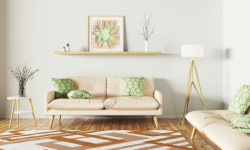
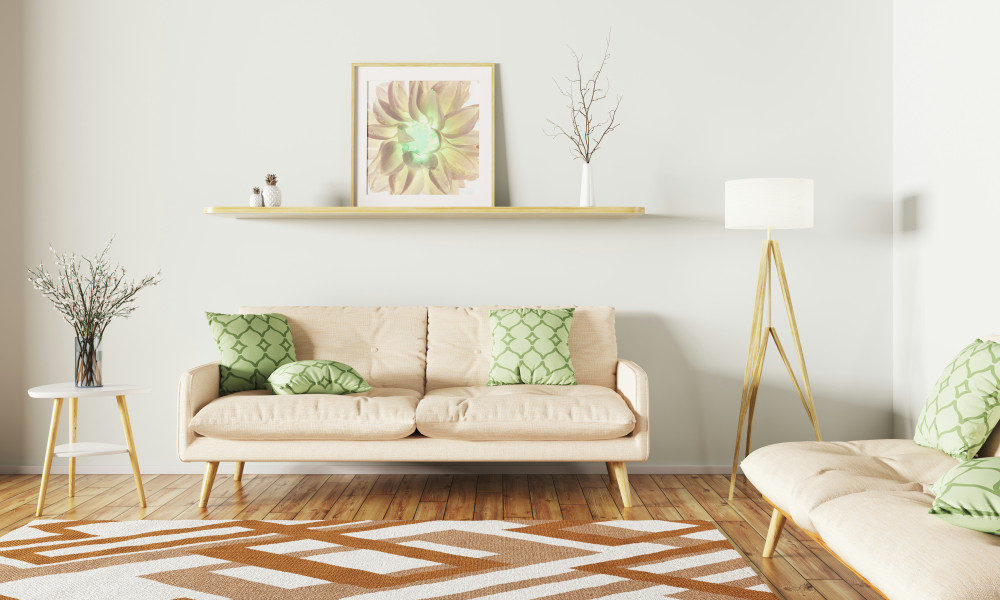
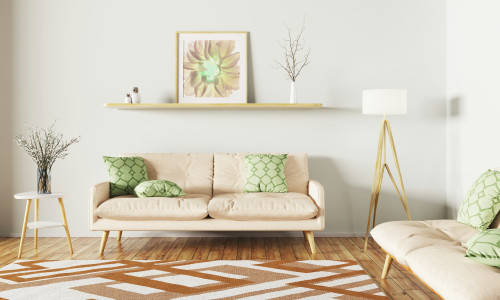
Textiles play a central role in how a space feels. A linen sofa has a different presence than one in velvet, and a wool rug brings a warmth that synthetic fibers can’t quite match.
- Wool adds both warmth and texture. It’s ideal for rugs, throws, and pillows when you want a natural, cozy atmosphere.
- Cotton is soft, breathable, and easy to care for—perfect for bedding and curtains where comfort and lightness matter.
- Leather brings character and durability. A leather chair or sofa only gets better with time, developing a rich patina that tells its own story.
By mixing different textures, you can create balance between soft and sturdy—making your home feel alive and layered.
Raw and Natural – Materials with Edge
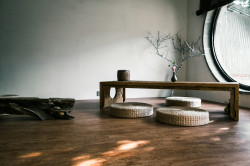
If you prefer a more modern or industrial look, raw materials like concrete, metal, and dark wood can add depth and strength. These materials have presence, but they can also feel cold if used alone.
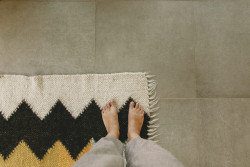
Soften them with warmth: a wool rug on a concrete floor, a leather chair next to a steel table, or a plant that breaks up the hard lines. It’s the contrast between rough and soft that makes a space interesting—and helps materials complement one another.
Surfaces That Stand Up to Life
A home should be beautiful, but it also needs to work for everyday living. When choosing materials, think about how they’ll be used. A solid wood countertop requires some care, but it can be refinished and will age gracefully. Stone countertops are more resistant to wear, but they feel cooler and more formal.
The same goes for fabrics: choose durable materials for furniture that gets heavy use, and save delicate ones for accents like pillows or drapes. That way, you’ll strike a balance between function and feeling.
Create Calm with Tactile Details
Small details can make a big difference. A hand-thrown ceramic vase, a wooden bowl with visible grain, or a wall finished in limewash can add depth and serenity. It’s not about filling your home with things, but about choosing a few sensory elements that make daily life more pleasant.
When you surround yourself with materials that feel right, you create a home that speaks to both body and mind. That’s where aesthetics and well-being meet—in the small, tactile moments that make everyday life better.
Læs også: