The Right Moment: When Should You Open the Wine for the Best Flavor Experience?
The Right Moment: When Should You Open the Wine for the Best Flavor Experience?
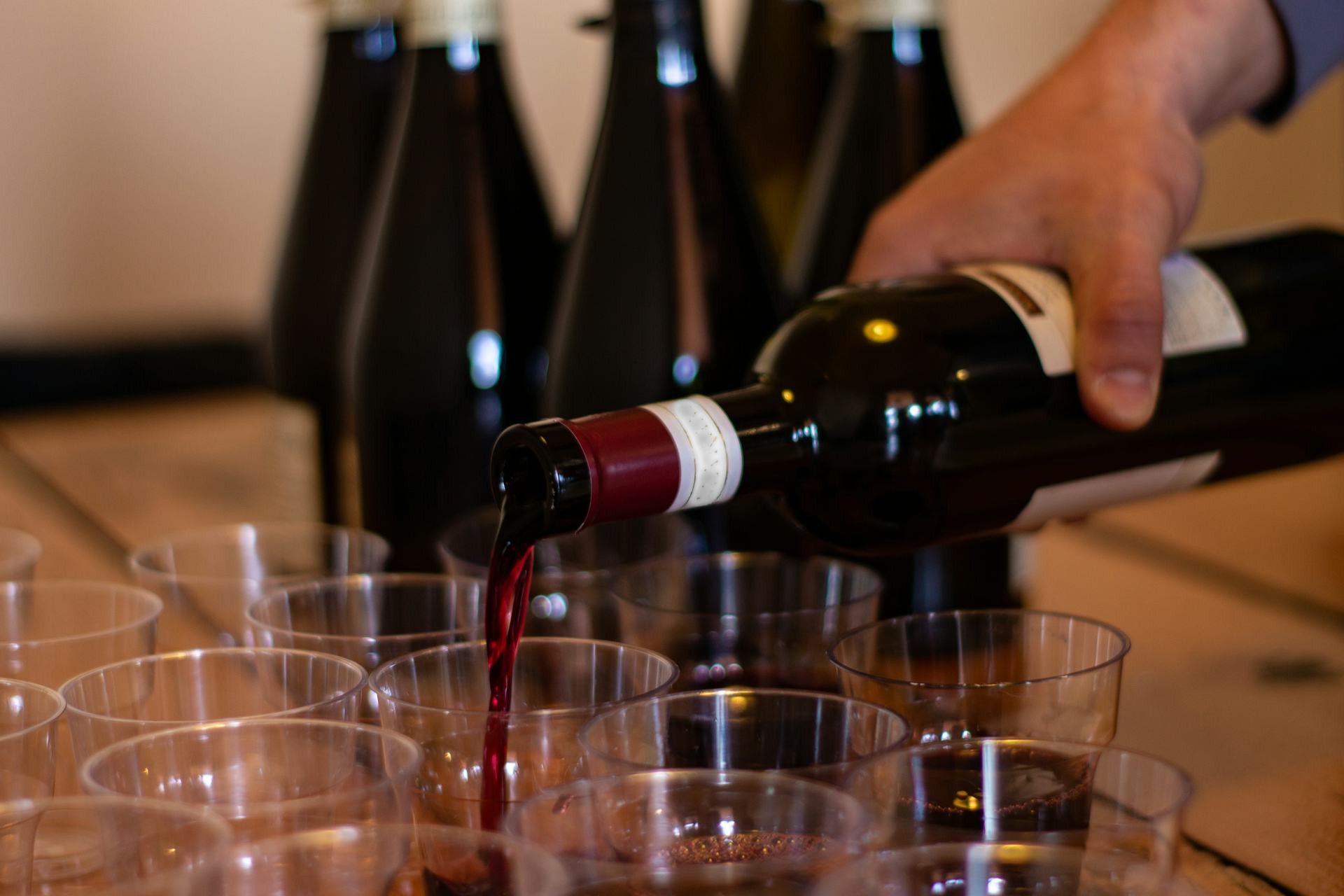
Opening a bottle of wine at just the right time can make the difference between a pleasant sip and a truly memorable experience. Too early, and the wine may taste tight or closed. Too late, and it might have lost its freshness and vibrancy. So when is the right moment? The answer depends on the type of wine, its age, and the occasion. Here’s a guide to help you find that perfect timing for your next bottle.
Why Timing Matters
Wine is a living product that continues to evolve in the bottle. Inside, slow chemical reactions help tannins, acids, and aromas find balance. Once you open the bottle, oxygen begins a new transformation—often improving the wine, but only for a limited time.
Young wines can benefit from a bit of air to soften their structure and open up their aromas. Older wines, however, can fade quickly once exposed to oxygen. Understanding how your particular wine reacts is key to unlocking its best expression.
Læs også:

Young Wines – Let Them Breathe
Most wines sold in the U.S. today are meant to be enjoyed within a few years of release. They’re fresh, fruit-forward, and ready to drink. Still, even young wines can improve with a little air.
- Tannic reds—like Cabernet Sauvignon, Syrah, or Nebbiolo—can taste firm right after opening. Decant them for 1–2 hours before serving to let oxygen soften the edges.
- Lighter reds—such as Pinot Noir or Beaujolais—usually need only 15–30 minutes in the glass to open up.
- White wines—especially crisp, aromatic ones like Sauvignon Blanc or Riesling—should be opened right before serving to preserve their brightness.
A good trick is to taste the wine immediately after opening and again after some time. You’ll often notice how the aromas and flavors evolve dramatically.
Mature Wines – Fragile but Magical
Older wines require more care. They’ve already undergone years of slow development in the bottle, and their balance can be delicate. Too much air can cause them to lose their character within minutes.
If you’re opening a bottle that’s 10–15 years old or more:
- Avoid vigorous decanting. Pour gently into a decanter only to remove sediment, not to aerate.
- Taste soon after opening. If the wine seems closed, let it sit in the glass for 10–15 minutes. But if it’s already aromatic and expressive, enjoy it right away.
- Watch for signs of age. A brownish hue or vinegar-like aroma can indicate the wine has passed its prime.
Opening a mature wine is like capturing a fleeting moment—it can be brief, but unforgettable.
Sparkling and Rosé – Freshness Is Everything
For sparkling wines and rosé, freshness is the key. The best time to open them is right before serving.
- Champagne, Prosecco, and other sparkling wines should be opened when everyone’s ready to toast. The bubbles fade quickly, and the aromas are most vibrant in the first 30 minutes.
- Rosé wines shine when they’re cool and lively. Open the bottle just before serving, and don’t let it sit open for too long.
If you don’t finish the bottle, use a sparkling wine stopper or vacuum seal to preserve it for the next day—but don’t expect the same intensity.
Temperature and Timing Go Hand in Hand
Even the best wine can fall flat if served at the wrong temperature. A red that’s too warm can taste heavy, while a white that’s too cold can seem muted.
- Red wines: 60–65°F for most, slightly cooler for lighter styles.
- White wines: 45–55°F depending on the variety.
- Sparkling wines: 42–46°F for crisp bubbles and freshness.
Take the wine out of the fridge or cellar in advance so it reaches the ideal temperature by the time you open it. Temperature is part of perfect timing.
The Right Moment Is Also Your Moment
While there are guidelines, wine enjoyment is ultimately personal. Some people love the youthful energy of a just-opened bottle, while others savor the depth of a well-aged one. The key is curiosity—take your time to notice how the wine changes in the glass.
Finding the right moment isn’t just about chemistry; it’s about atmosphere, company, and anticipation. A wine opened at the perfect time can turn an ordinary evening into something truly memorable.
Læs også: