Freeze Your Way to Success: How to Use Your Freezer Strategically in Meal Prep

Freeze Your Way to Success: How to Use Your Freezer Strategically in Meal Prep
A well-organized freezer can be your secret weapon when life gets busy but you still want to eat healthy, home-cooked meals. Meal prep isn’t just about cooking in bulk—it’s about planning ahead, making the most of your ingredients, and saving time during the week. With the right strategy, your freezer can help you cut down on food waste, stay organized, and make mealtime stress-free.
Plan with the Freezer in Mind
When planning your weekly meals, think about which dishes freeze well. Soups, stews, casseroles, chili, and baked pasta dishes are all great candidates. Avoid freezing foods with a lot of cream, mayonnaise, or fresh greens—they tend to separate or lose texture after thawing.
A smart trick is to double up on recipes you’re already making. Eat one portion now and freeze the rest in meal-sized containers. That way, you’ll always have a homemade meal ready to go when your schedule gets hectic.
Freeze in Portions—and Label Everything Clearly
One of the biggest mistakes people make is freezing large, unlabeled containers of food. It’s hard to thaw, and it often leads to waste. Instead, use freezer bags or airtight containers in portion sizes that fit your needs, and always label them with the contents and date.
A simple system can make a big difference:
- Single servings for lunches or quick solo dinners.
- Family portions for nights when everyone eats together.
- Building blocks like cooked grains, beans, or sauces that can be mixed and matched.
Clear labeling helps you avoid “mystery meals” and makes it easy to plan your week around what’s already in your freezer.
Use the Freezer for Ingredients—Not Just Leftovers
Your freezer isn’t just for storing leftovers. It’s also a great way to extend the life of fresh ingredients. Chop onions, bell peppers, or herbs and freeze them in small bags or ice cube trays. You’ll always have prepped ingredients ready to toss into a skillet or soup.
Other smart freezer staples include:
- Meat and fish: Divide into smaller portions so you only thaw what you need.
- Bread: Slice before freezing and take out a few pieces at a time.
- Fruit: Freeze bananas, berries, or mango for smoothies or baking.
- Herbs and stock: Freeze in small cubes for easy flavor boosts.
Think of your freezer as a pantry extension—one that’s always stocked with possibilities.
Prevent Freezer Burn and Flavor Loss
To keep your food tasting fresh, it’s important to freeze it properly. Let food cool before freezing, and use airtight containers or bags to minimize air exposure. The less air, the better the texture and flavor after thawing.
A few quick rules of thumb:
- Freeze food quickly—faster freezing means better texture.
- Avoid thawing and refreezing—it affects both taste and safety.
- Use frozen meals within 3–6 months for best quality.
If you want to stay extra organized, keep a freezer inventory list on your fridge. It’ll help you use what you have before it gets forgotten.
Læs også:
Think in Modules—Build Flexible Meals
A strategic way to use your freezer is to think in “modules.” Instead of freezing complete meals, freeze components that can be combined in different ways. For example:
- Cooked rice, quinoa, or farro.
- Roasted vegetables or beans.
- Shredded chicken, ground beef, or pulled pork.
- Sauces and dressings in small containers.
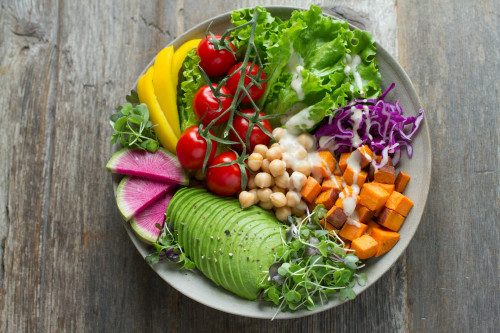
With these building blocks, you can quickly assemble a variety of meals—like grain bowls, wraps, or pasta dishes—without starting from scratch every time.
Make Thawing Part of Your Routine
A full freezer won’t help much if you forget to thaw your meals. Get into the habit of checking your freezer when planning the next day’s menu. Move what you need to the fridge overnight so it’s ready to heat and eat the next day.
If you’re short on time, you can thaw food in the microwave or in a pot with a little water—but avoid leaving it out at room temperature for too long, as that can encourage bacteria growth.
Freeze Your Way to More Freedom
Once you master your freezer strategy, you’ll be amazed at how much time and energy you save. You’ll skip last-minute takeout runs, reduce food waste, and gain more flexibility in your daily routine. It’s not about eating “frozen food”—it’s about using your freezer as a tool to eat better, smarter, and on your own terms.
So next time you cook, think one step ahead: What can you freeze, and how can you use it later? Those small habits are what turn meal prep into a success—and your freezer into your best kitchen ally.
Læs også: