The Nature of Meat: How to Choose the Right Type of Meat for Your Dish

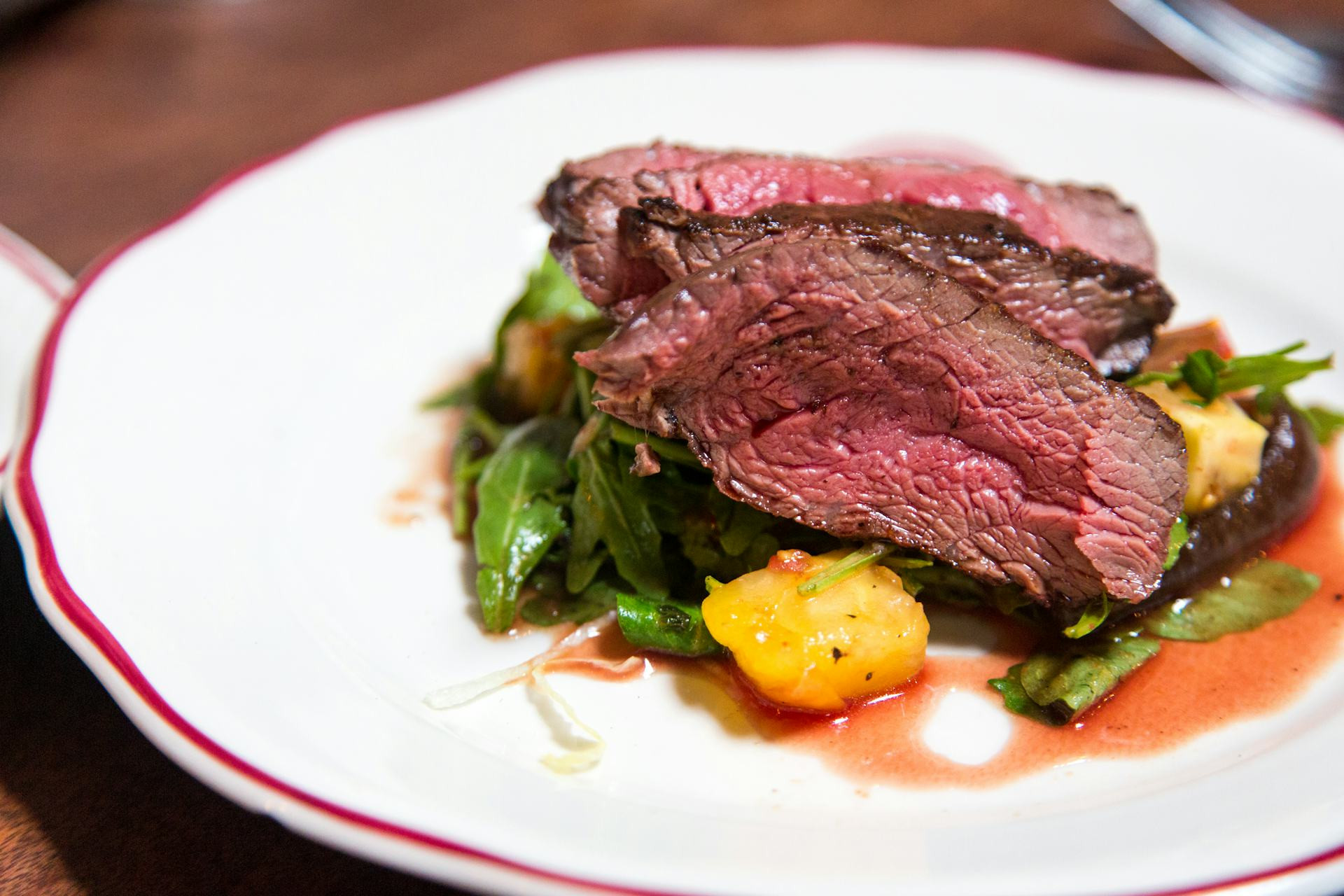
Discover how different cuts, textures, and flavors can transform your cooking
Food
Food
6 min
Learn how to choose the perfect type of meat for any dish. From tender steaks to slow-cooked roasts, this guide helps you understand the characteristics of various meats and how to match them with the right cooking methods for delicious results.
Daisy Lopez
Daisy
Lopez

The Nature of Meat: How to Choose the Right Type of Meat for Your Dish

Discover how different cuts, textures, and flavors can transform your cooking
Food
Food
6 min
Learn how to choose the perfect type of meat for any dish. From tender steaks to slow-cooked roasts, this guide helps you understand the characteristics of various meats and how to match them with the right cooking methods for delicious results.
Daisy Lopez
Daisy
Lopez

Meat is more than just a protein source—it’s a world of textures, flavors, and cooking possibilities. Choosing the right cut can make the difference between a decent dinner and a truly memorable meal. Whether you’re firing up the grill, slow-cooking a stew, or preparing a quick weeknight dish, understanding the nature of meat helps you bring out its best qualities.

Know Your Cuts

Standing at the butcher counter can be overwhelming. Ribeye, tenderloin, brisket, pork shoulder—each cut tells a story about where it comes from on the animal and how it should be cooked.

  • Tenderloin and filet come from muscles that do little work, making them exceptionally tender but mild in flavor. They’re perfect for quick cooking methods like grilling or pan-searing.
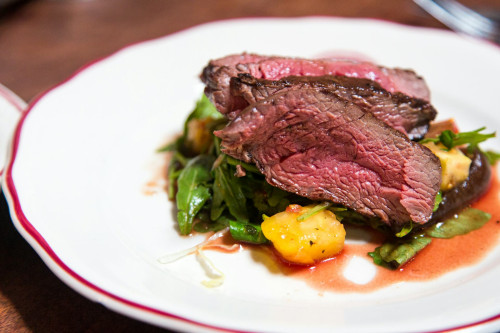
  • Ribeye, strip steak, and pork chops have more marbling—those fine streaks of fat that melt during cooking and add rich flavor. They shine when cooked over high heat.
  • Brisket, chuck, and shank come from hardworking muscles. They need time and moisture to break down, rewarding patience with deep, hearty flavor and fall-apart tenderness.

A good rule of thumb: the tougher the cut, the longer and slower it should be cooked.

Beef, Pork, Lamb, or Poultry?

Each type of meat brings its own character to the table, and knowing their strengths helps you match them to the right dish.

  • Beef is bold and versatile. From juicy burgers to slow-braised short ribs, it adapts to countless cooking styles. Lean cuts like sirloin are great for quick meals, while marbled cuts like ribeye or brisket excel in longer cooking.
  • Pork offers a milder, slightly sweet flavor and stays juicy when cooked properly. Pork tenderloin is ideal for fast weeknight dinners, while pork shoulder or ribs are perfect for barbecue or slow roasting.
  • Lamb has a distinctive, earthy flavor that pairs beautifully with herbs like rosemary, mint, and thyme. Lamb chops and racks are great for grilling, while shanks and legs are best slow-cooked.
  • Poultry, especially chicken, is a staple in American kitchens. It’s lean, easy to cook, and takes well to marinades. Turkey and duck, with their richer flavor and higher fat content, are great for special occasions.

Fat, Flavor, and Cooking Method

Fat isn’t the enemy—it’s the secret to flavor. Marbling keeps meat juicy and adds depth as it melts during cooking. A well-marbled steak or pork chop often tastes better than a completely lean one.

If you prefer leaner cuts, focus on technique: cook at lower temperatures, use marinades to add moisture, and let the meat rest before slicing so the juices redistribute evenly.

Freshness and Quality

Quality meat starts with how the animal was raised and how the meat was handled. When shopping, pay attention to:

  • Color: Fresh beef should be deep red, pork light pink, and poultry pale and uniform.
  • Smell: Fresh meat should have a clean, mild scent—never sour or metallic.
  • Texture: It should feel firm and slightly moist, not sticky or slimy.

Buying from local farms or trusted butchers can mean better flavor, higher animal welfare standards, and a smaller environmental footprint.

Cooking It Right

Even the best cut can turn tough or dry if cooked incorrectly. Keep these basics in mind:

  • Bring meat to room temperature before cooking for even results.
  • Use a meat thermometer—it’s the most reliable way to ensure doneness without overcooking.
  • Let it rest after cooking so the juices settle and the texture improves.
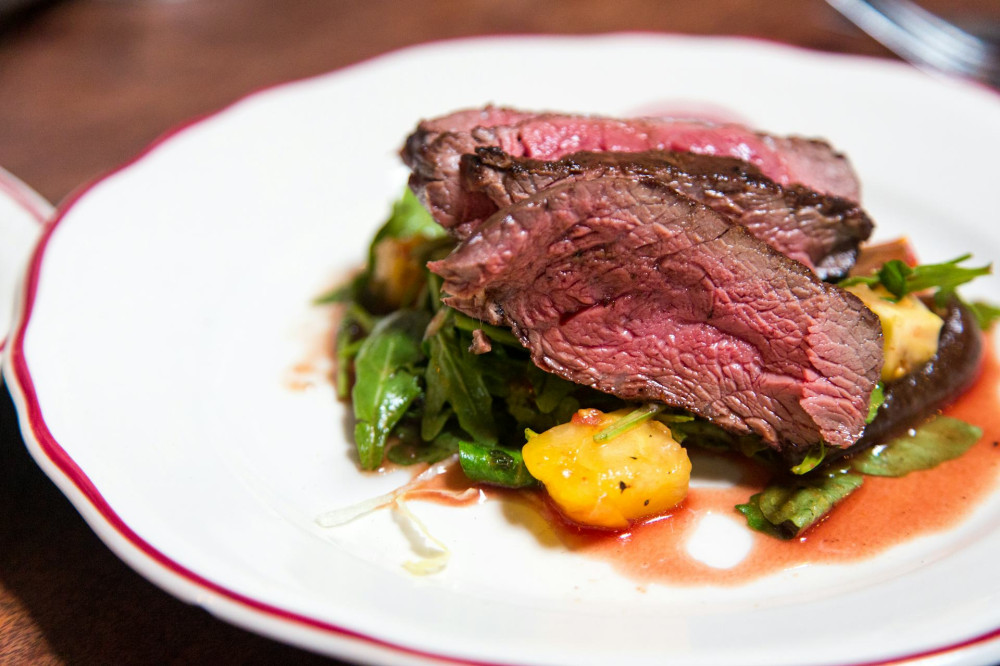
  • Slice against the grain to make each bite more tender.

Match the Meat to the Meal

Think about the role meat plays in your dish. Is it the star of the show, like a steak, or part of a larger ensemble, like in a stew or pasta?

  • For quick weeknight meals, choose tender cuts like chicken breast, pork tenderloin, or ground beef.
  • For weekend cooking or entertaining, go for cuts with more flavor and texture—brisket, lamb shank, or short ribs.
  • For grilling and summer dishes, pick meats with a bit of fat that can handle high heat—ribeye, pork shoulder, or chicken thighs.

The Nature of Meat – Your Culinary Compass

Choosing the right meat isn’t just about following a recipe—it’s about understanding the ingredient itself. When you learn to read the texture, fat content, and flavor of different cuts, you gain the freedom to cook with confidence and creativity.

So next time you’re at the butcher counter, ask yourself: what do I want this meat to do today? The answer will guide you to a meal that hits the mark every time.

Lighter Grilled Dishes with Flavor: Lean Proteins and Vegetables with Style
Fresh, flavorful grilling made easy with lean proteins and vibrant vegetables
Food
Food
Grilling
Healthy Cooking
Summer Recipes
Lean Protein
Vegetables
3 min
Discover how to enjoy the best of summer grilling without the heaviness. From lean meats to colorful vegetables and zesty marinades, learn how to create light yet satisfying dishes that bring balance and style to your cookout.
Delilah Vasquez
Delilah
Vasquez
Learn to Fillet Fish Like a Pro – Step by Step
Master the art of filleting fish with simple, professional techniques
Food
Food
Cooking Skills
Seafood
Kitchen Techniques
Home Cooking
Fish Preparation
6 min
Discover how to fillet fish like a professional chef with this easy step-by-step guide. Learn which tools to use, how to make clean cuts, and how to prepare perfect fillets ready for cooking or serving.
Rylan Richardson
Rylan
Richardson
The Nature of Meat: How to Choose the Right Type of Meat for Your Dish
Discover how different cuts, textures, and flavors can transform your cooking
Food
Food
Meat
Cooking
Food Preparation
Culinary Guide
Kitchen Tips
6 min
Learn how to choose the perfect type of meat for any dish. From tender steaks to slow-cooked roasts, this guide helps you understand the characteristics of various meats and how to match them with the right cooking methods for delicious results.
Daisy Lopez
Daisy
Lopez
A Meal Plan with Purpose: How to Choose Ingredients That Offer Both Variety and Nutrition
Discover how mindful ingredient choices can transform your meals into a source of energy, balance, and enjoyment
Food
Food
Healthy Eating
Meal Planning
Nutrition
Wellness
Balanced Diet
2 min
Learn how to create a purposeful meal plan that goes beyond calorie counting. This guide helps you choose ingredients that bring both variety and nutrition to your plate—making healthy eating simple, satisfying, and sustainable.
Ava Martinez
Ava
Martinez
Freeze Your Way to Success: How to Use Your Freezer Strategically in Meal Prep
Turn your freezer into a time-saving tool for healthy, stress-free meals
Food
Food
Meal Prep
Freezer Tips
Time Management
Healthy Eating
Kitchen Organization
5 min
Discover how a well-planned freezer strategy can transform your meal prep routine. Learn to portion, label, and store ingredients smartly so you can enjoy nutritious, home-cooked dishes even on your busiest days.
Mia Allen
Mia
Allen
Strong and Flexible as You Age – How to Maintain Your Muscle Mass
Stay active, strong, and confident at every age with simple habits that protect your muscles.
He
He
Healthy Aging
Fitness
Strength Training
Nutrition
Wellness
4 min
Discover how to maintain your strength, flexibility, and independence as you grow older. Learn the key strategies for preserving muscle mass through effective training, balanced nutrition, and smart recovery – so you can keep moving with energy and confidence.
Delilah Vasquez
Delilah
Vasquez
Listen with Presence: How to Better Understand Your Partner in Sexual Intimacy
Deepen your connection by learning to truly listen and communicate in moments of intimacy
He
He
Intimacy
Relationships
Communication
Emotional Connection
Sexual Wellness
2 min
Discover how presence, empathy, and open communication can transform your sexual relationship. This guide explores practical ways to understand your partner’s needs, express your own, and build a more trusting and fulfilling intimate bond.
Rylan Richardson
Rylan
Richardson
Men and Community: How to Rebuild Relationships When Old Friendships Fade
Rediscover the power of connection and learn how to rebuild meaningful friendships.
He
He
Friendship
Men
Relationships
Community
Personal Growth
3 min
As life gets busier, many men find their old friendships fading into the background. This article explores why that happens and offers practical ways to reconnect, form new bonds, and strengthen your sense of community.
Daisy Lopez
Daisy
Lopez