Men and Tears: Embracing Grief Without Losing Strength

Men and Tears: Embracing Grief Without Losing Strength
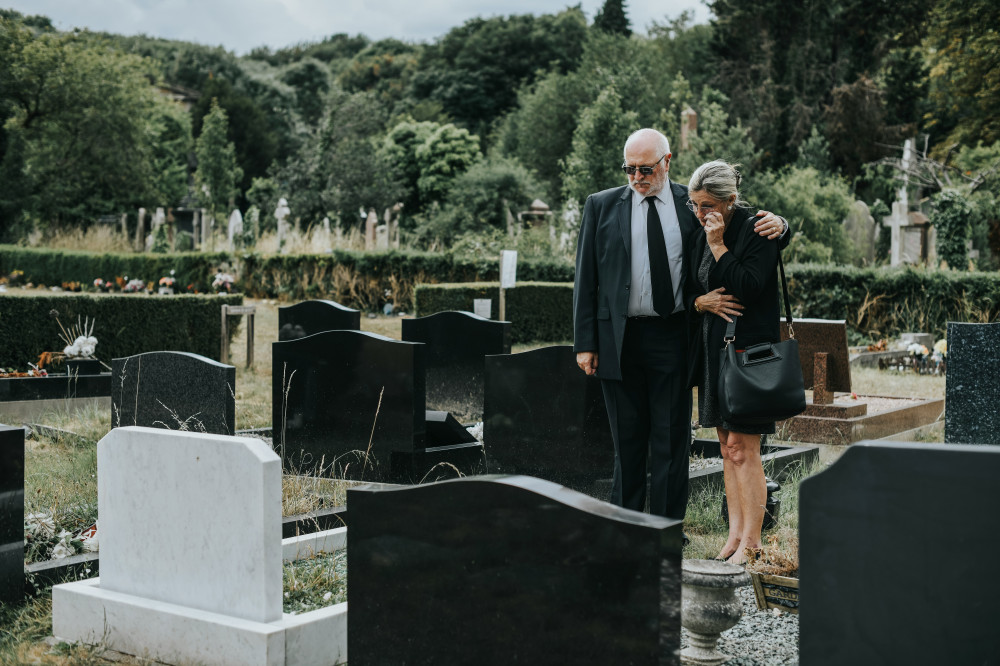
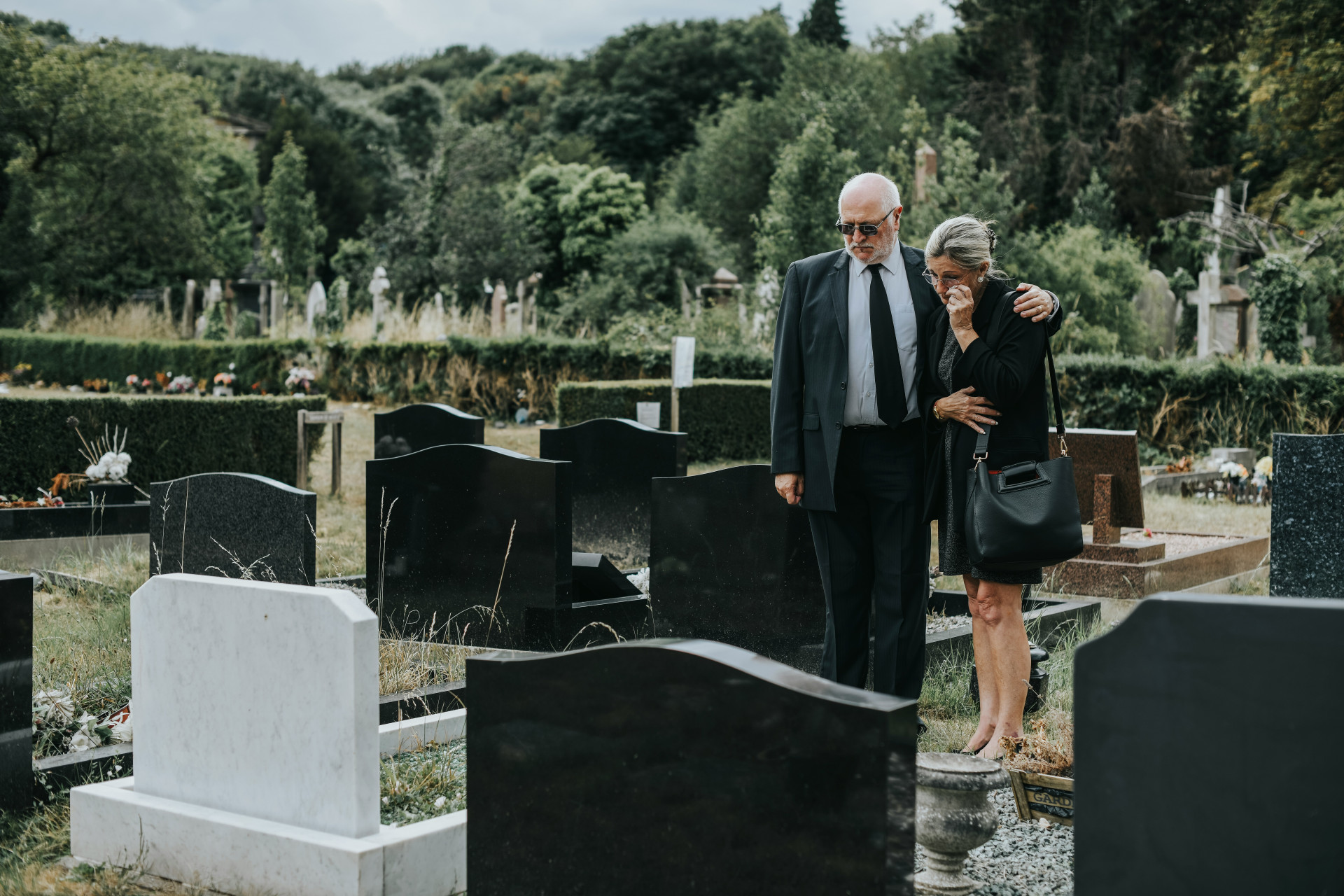
For generations, men in America have been told to “man up,” to keep emotions in check, and to see tears as a sign of weakness. But grief, loss, and vulnerability are part of being human—no matter one’s gender. Today, more men are beginning to challenge the old idea that strength and emotion can’t coexist. Perhaps true strength isn’t about suppressing pain, but about finding the courage to face it.
A Legacy of Silence
From an early age, many boys learn that showing emotion is risky. Whether it’s on the football field, in the military, at work, or even at home, the message is often the same: real men don’t cry. This cultural script has shaped generations, teaching men to equate stoicism with strength.
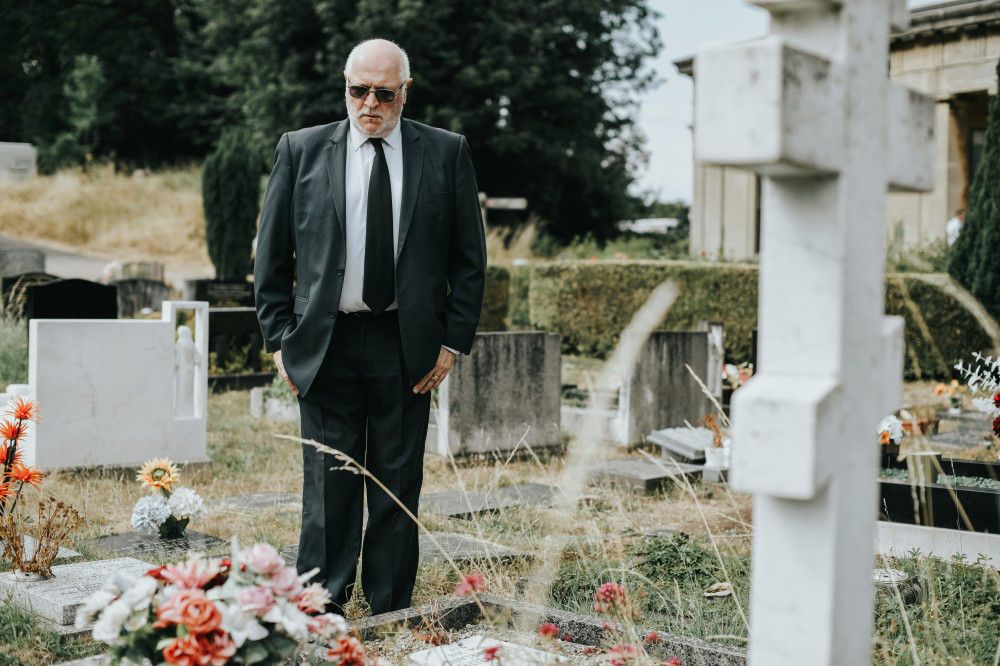
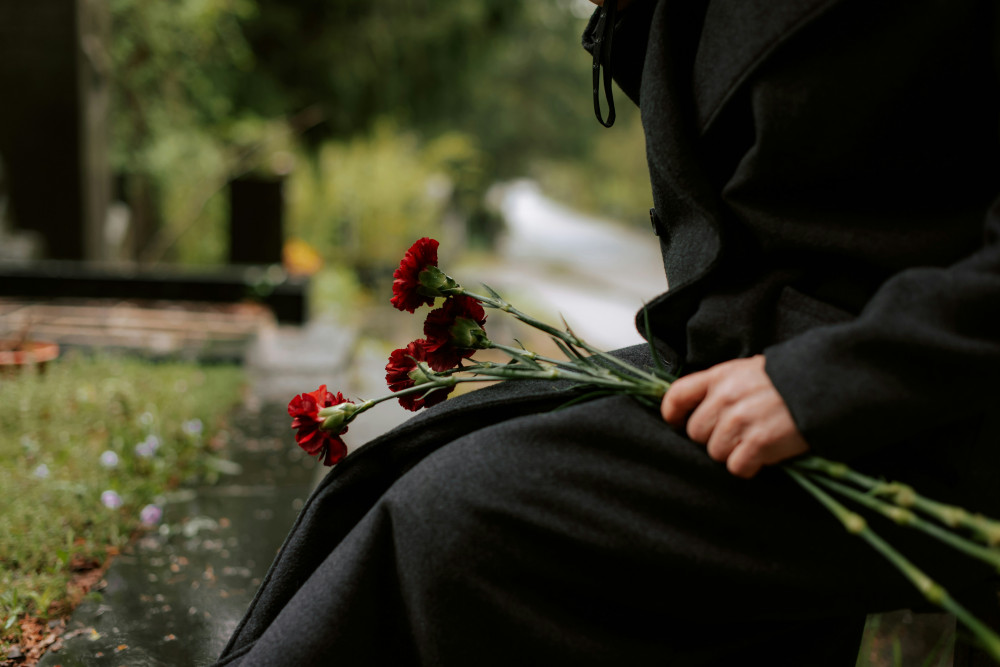
But when life brings loss—a death in the family, a breakup, illness, or job loss—this silence can become a heavy burden. Instead of expressing pain, many men withdraw, trying to handle grief alone. The result can be isolation, emotional numbness, and a sense of disconnection from others.
Tears as a Form of Strength
Crying is not a failure of masculinity. In fact, research shows that tears can help regulate stress, release tension, and bring emotional relief. Allowing oneself to cry is a natural, healthy response to sorrow.
For many men, though, it feels uncomfortable. It takes courage to show vulnerability in a culture that prizes control. Yet that very act of openness can be a new kind of strength—one rooted in honesty, self-awareness, and authenticity. It’s not about losing control; it’s about allowing yourself to be fully human.
Læs også:


When Grief Goes Unspoken
Unexpressed grief doesn’t disappear—it often finds other outlets. Men who suppress their emotions may experience insomnia, irritability, fatigue, or a loss of interest in things they once enjoyed. Some turn to work, exercise, or alcohol to keep the pain at bay.
But grief needs expression. It needs a language. For some, that language is conversation—with a friend, a partner, or a therapist. For others, it’s writing, music, time outdoors, or physical activity. There’s no single right way to grieve, but there are many wrong ways to avoid it.
Finding Your Own Way to Heal
Embracing grief doesn’t mean giving up strength—it means redefining it. It can be as simple as saying, “I’m struggling,” or reaching out to a friend even when it feels uncomfortable. It can mean giving yourself permission to cry without shame.
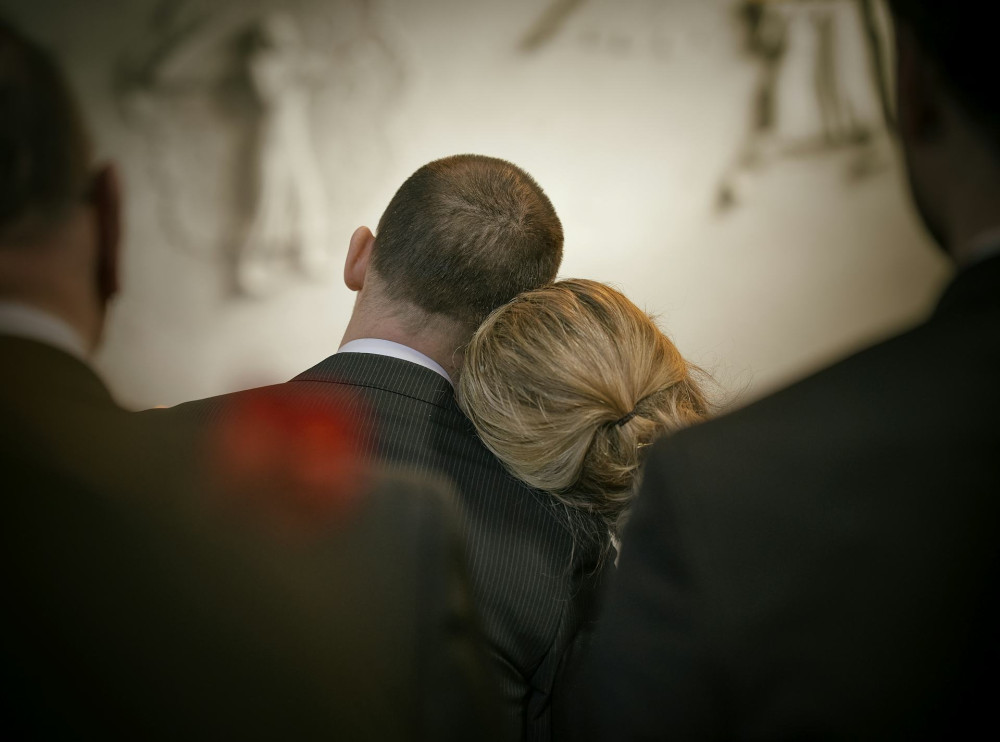
Many men find support in community—through grief groups, faith-based gatherings, or even sports teams where camaraderie allows for honest connection. Others find solace in solitude, reflection, or creative expression. What matters most is creating space for grief to exist without letting it consume your identity.
A New Story of Manhood
Across the U.S., a quiet shift is happening. More public figures—athletes, veterans, actors, and leaders—are speaking openly about loss, depression, and vulnerability. Their honesty helps dismantle the old taboos and opens the door for a broader, healthier understanding of masculinity.
To embrace grief without losing strength is not to become someone else—it’s to become more whole. When men allow themselves to feel, they show that strength isn’t about holding everything in, but about standing tall in the truth of one’s emotions. Real strength is not the absence of tears, but the courage to let them fall.
Læs også: