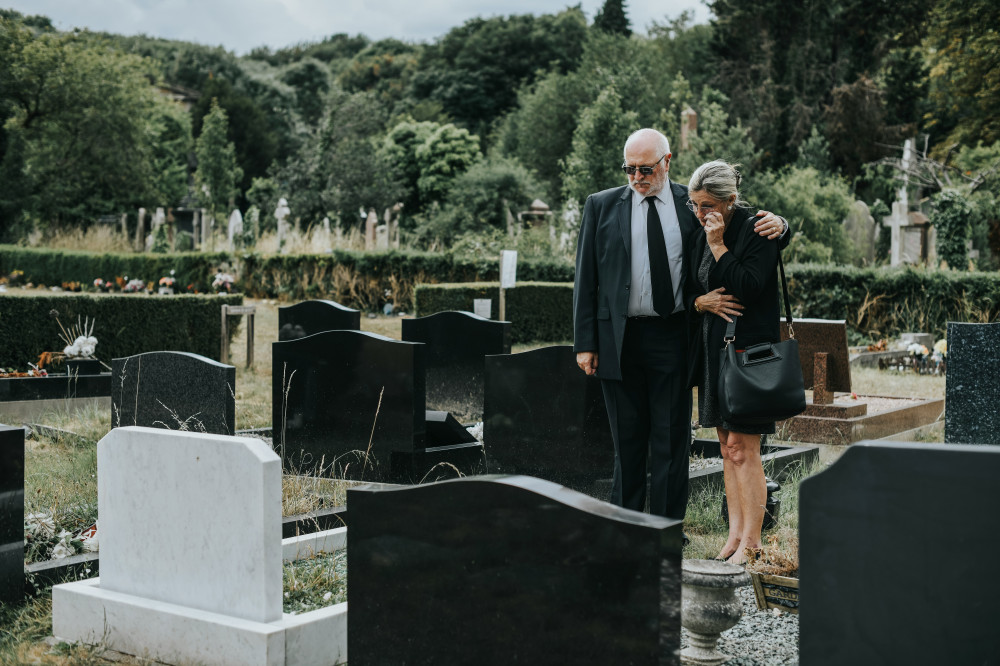
Small Steps Forward – The Strength in Moving, Even When It Hurts


Small Steps Forward – The Strength in Moving, Even When It Hurts
There are moments in life when everything feels heavy. When grief, loss, or pain fills so much space that even the smallest movement seems impossible. Yet it’s often in those moments—when we feel most stuck—that the tiniest steps can make a difference. To move, whether physically, mentally, or emotionally, isn’t a sign that the pain is gone. It’s a quiet declaration that we choose life, even in the midst of it.
When Everything Stands Still
Grief and crisis can make time stop. Days blur together, and even the simplest tasks can feel overwhelming. Many describe it as standing in a fog, unable to see the path ahead. In that state, the idea of “moving on” can feel both unfair and unrealistic.
But maybe it’s not about moving on—it’s about moving, just a little. Taking one step, even when it hurts. It might mean getting out of bed and taking a shower. Walking around the block. Calling a friend. Small actions that don’t change everything, but keep the connection to life open.
The Body as a Guide
When we’re hit by grief, the body reacts. It becomes heavy, tense, tired. That’s why movement—in its simplest form—can help loosen what feels stuck. It’s not about running away from pain, but about letting the body remind us that we’re still here.
A short walk, a few stretches, or even a deep breath can be enough. Many people find that the body knows something the mind can’t yet grasp: that life continues, even when it hurts. Movement becomes a quiet witness to the fact that we can still act, even in the smallest ways.
Accepting the Imperfect
In a culture that often measures progress by results, small steps can feel insignificant. But healing doesn’t follow a straight line. Some days move forward; others feel like setbacks. That’s part of the process.
Accepting that we can’t “fix” grief, only live with it, takes courage. It’s a courage that doesn’t show itself in grand gestures, but in the quiet ones: getting up when you don’t want to, facing the day when it feels empty, allowing yourself to be human—with all that entails.
Læs også:

The Power of Connection
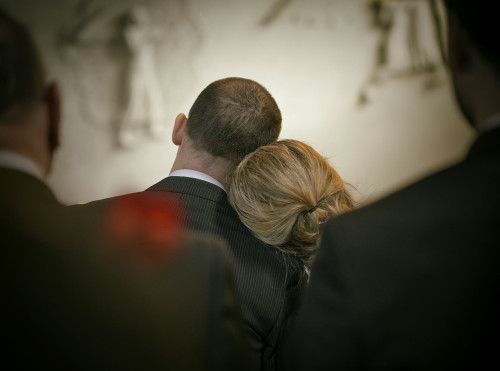
Though grief often feels isolating, it’s rarely something we can carry alone. Reaching out to others—even with just a few words—can be part of the movement forward. It might be a friend, a family member, a coworker, or a counselor. What matters most isn’t what you say, but that you allow yourself to be seen.
For many men, sharing vulnerability can be especially difficult. We’re taught to be strong, to handle things ourselves. But strength isn’t about holding pain in—it’s about daring to show it. Letting others see that you’re struggling is, in itself, a step forward.
Finding Meaning in the Meaningless
When you’re in the middle of loss, finding meaning can feel impossible. But over time, small glimpses of understanding can appear. Not as explanations, but as a sense that you can still create something—despite everything. It might come through new routines, new relationships, or new ways of being in the world.
Meaning doesn’t arrive all at once. It grows slowly, as you move. And often, you only realize you’ve taken steps when you look back and see that you’re standing somewhere different than before.
Small Steps, Big Change
Moving, even when it hurts, isn’t a recipe for quick healing. It’s a way of living. A choice to keep going, even when life feels unfair. Every small step—every time you rise, every conscious breath, every moment you reach out—is proof of strength.
Because strength isn’t about being untouched. It’s about continuing, even when you’re marked by pain. And sometimes, it’s the smallest steps that carry us the farthest.
Læs også: